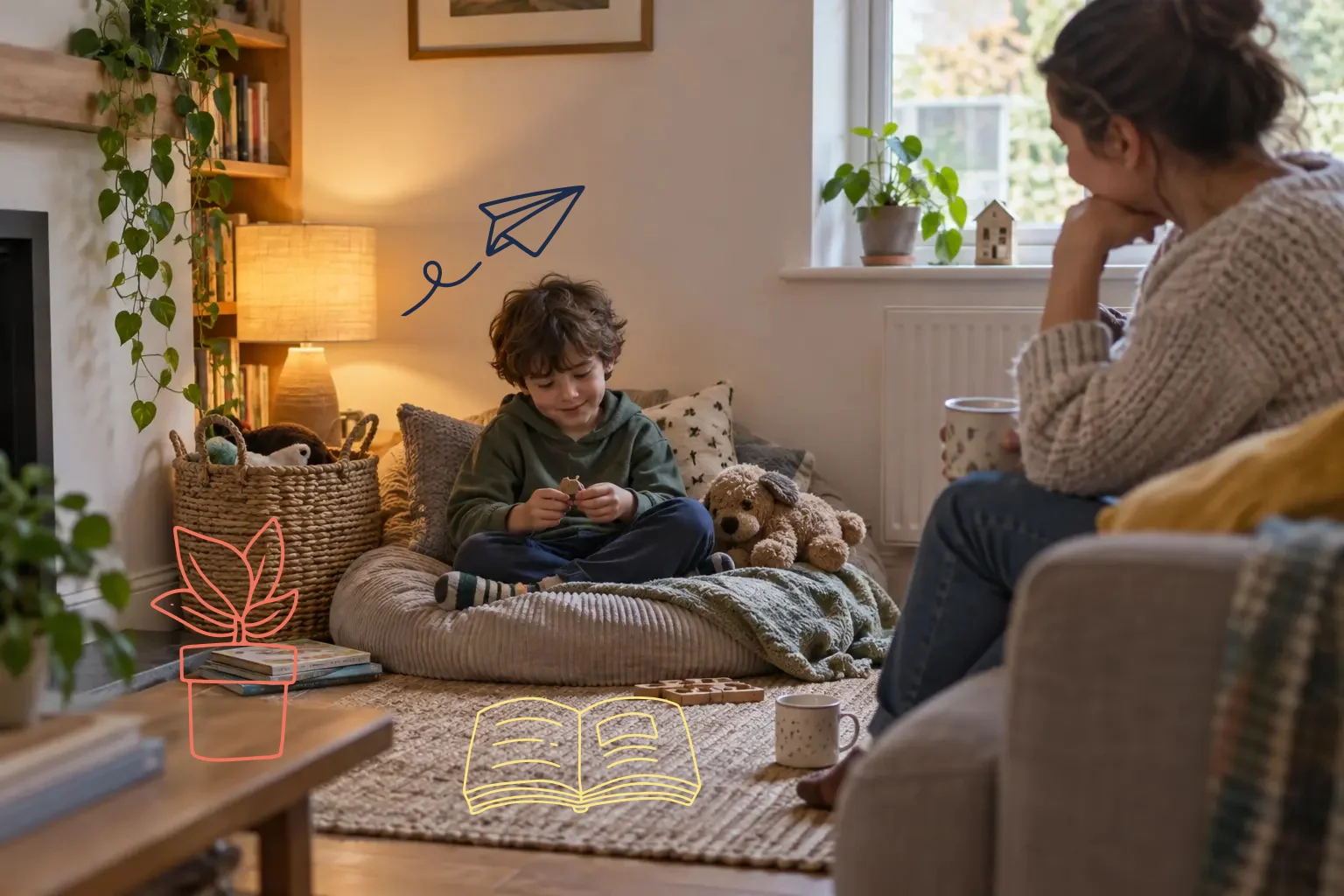

Why this moment can feel difficult
Adults often know why they are waiting and roughly how long it will last. A child may only experience the demand to stay in one place with very little to do.
We try to explain the next step simply and offer one quiet activity at a time. The goal is not perfect behaviour. It is to make the wait more understandable and give hands or attention somewhere comfortable to go.
1. Start with something small for busy hands
For a short queue or the first few minutes at a table, a quiet fidget can provide repetitive movement without taking over the space.
The Tangle Jr. Classic fits easily in a pocket. We would avoid presenting it only when a child is already struggling; familiarity makes it more useful.

A small twisting fidget with no batteries, noise or separate pieces.
View on Amazon2. Offer a more absorbing tactile task
Longer waits sometimes need an activity with a little more purpose. A contained tactile task can hold attention without requiring lots of equipment.
The Pushpeel XL is reusable and relatively self-contained. It is better suited to a table or lap than a moving queue.

A colourful tactile activity board that gives fingers a simple, repeatable task.
View on Amazon3. Use a story to make the time feel different
A familiar audio story can turn waiting into listening time. It also reduces the need for a parent to continually invent games or conversation.
The Yoto Mini works best when content is downloaded and the child already knows how to navigate it. Headphones may be useful in public, provided the child is comfortable wearing them.
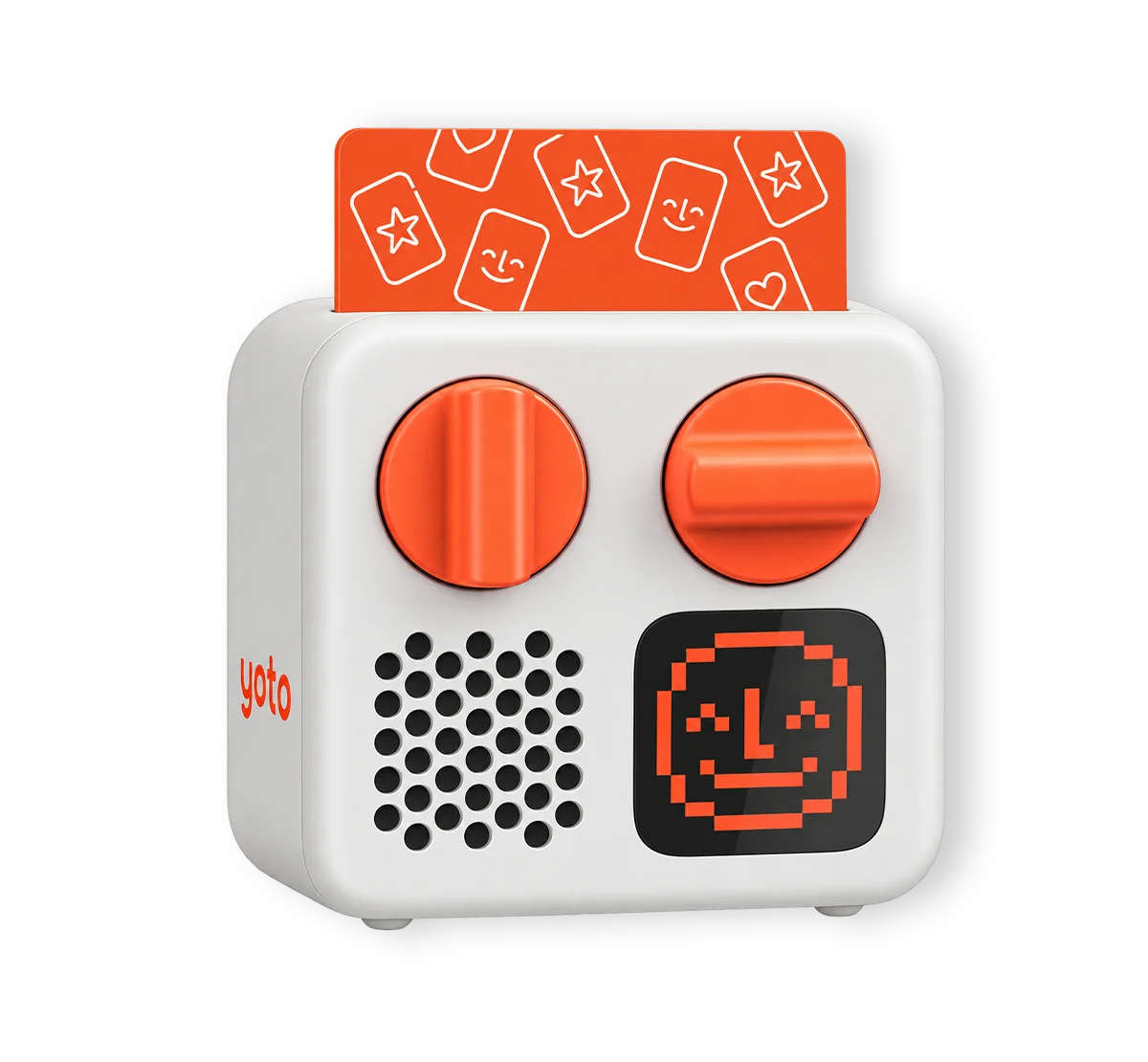
Portable screen-free listening for stories and music during seated waits.
View on Amazon4. Keep a quiet paper-based option
Some children enjoy drawing or completing a short prompt, particularly when they want less sensory input. A journal also works without charging or connectivity.
The HappySelf Junior Journal contains guided pages rather than being a blank notebook. Not every child wants to reflect while waiting, so it is an optional choice rather than an expectation.
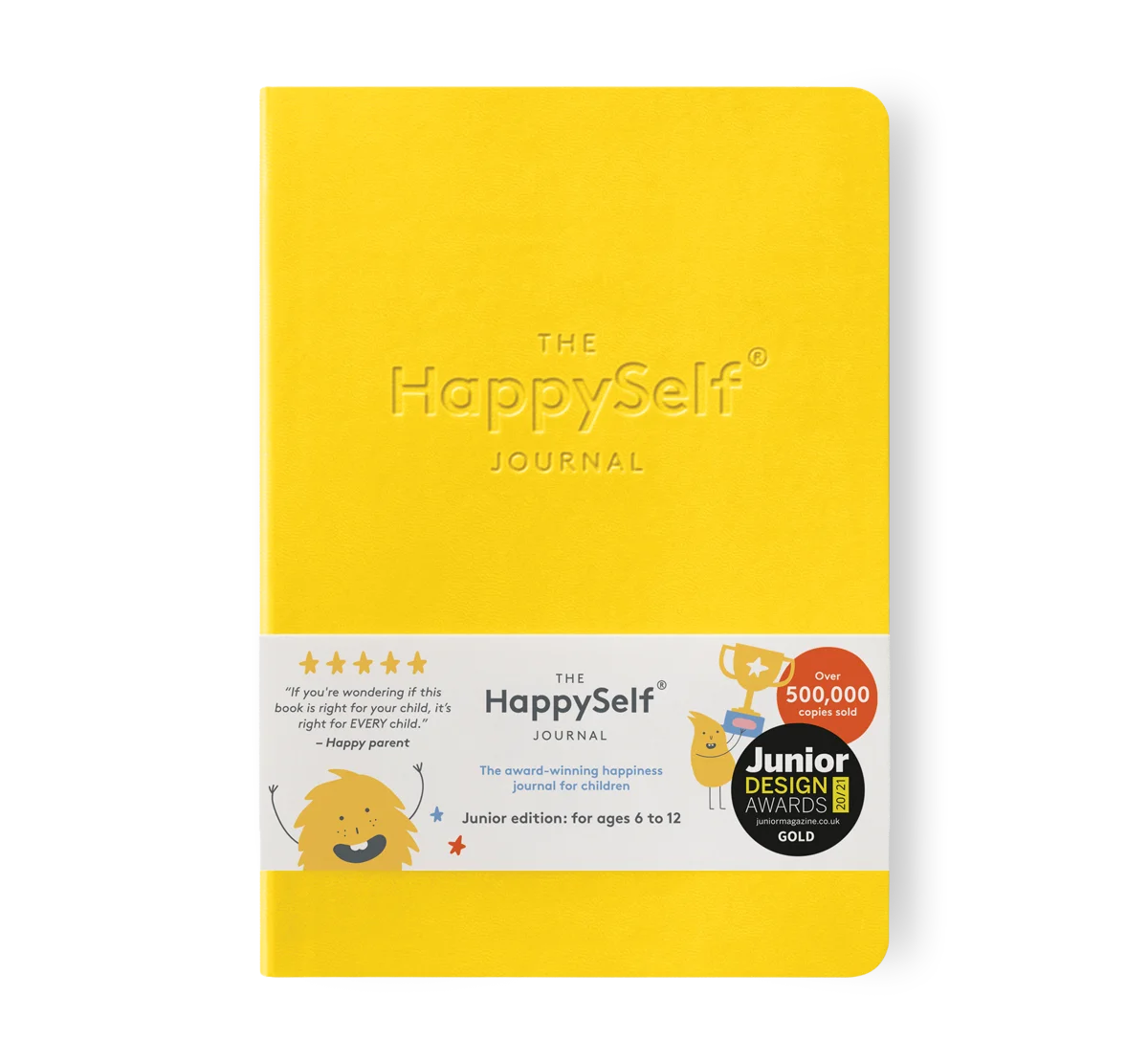
A guided journal that can offer a calm page-based activity when a child wants it.
View on AmazonWaiting becomes easier when it has an explanation, an ending and something appropriate to do in the middle.
Keep it flexible
It helps to match the tool to the kind of wait. A fidget may be enough for five minutes, while a delayed appointment may need a longer activity and a movement break.
Whenever possible, tell the child what is happening and update them when the plan changes. The products support that communication; they do not replace it.
Looking for something else?
Browse all of our parent-led product recommendations for routines, focus, calm, movement and sleep.
Browse all recommended productsThis is parent-led general information rather than medical advice, and every child is different. This article contains affiliate links. If you buy something through one of these links, we may receive a small commission at no extra cost to you. Read our affiliate disclosure.