Why this moment can feel difficult
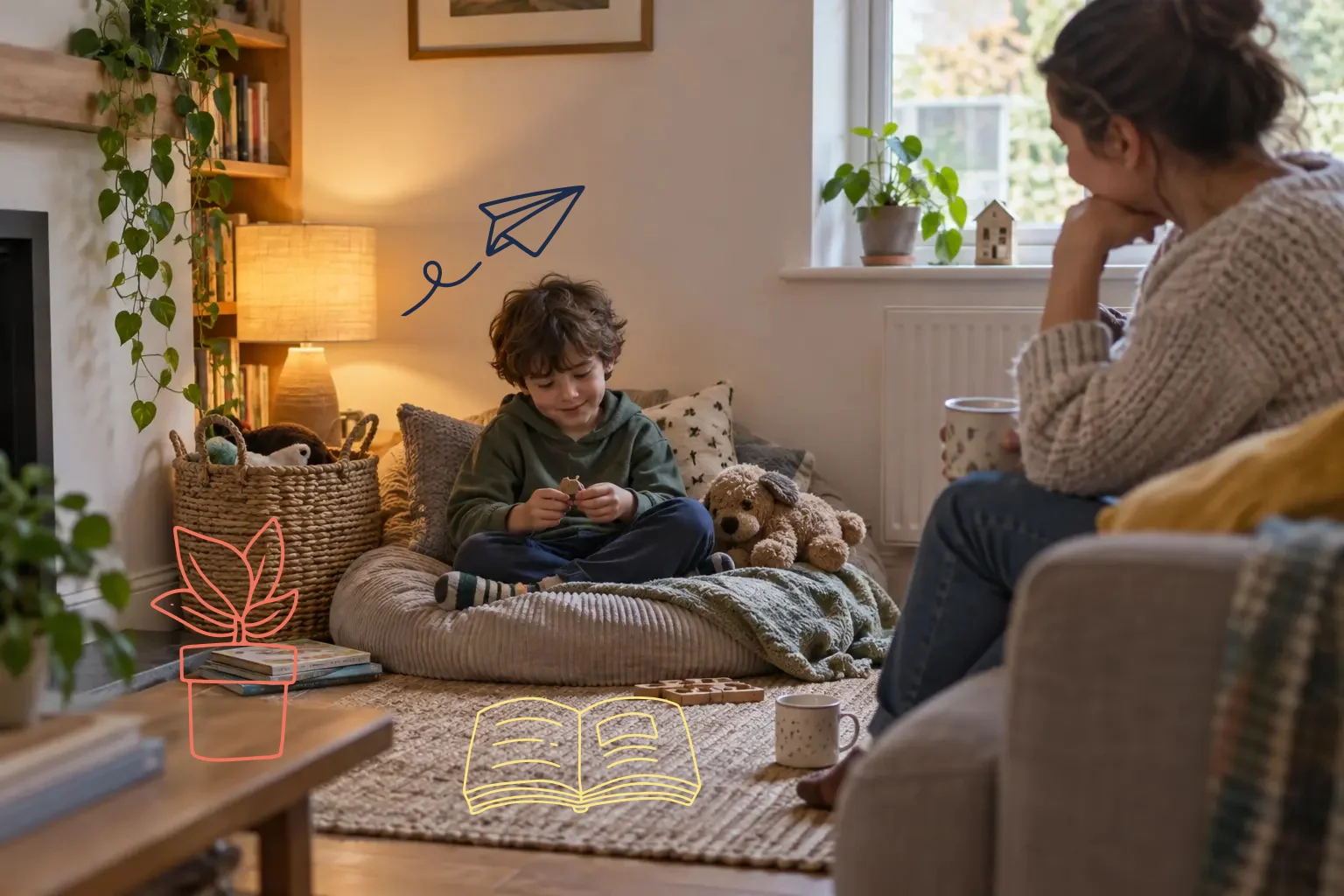
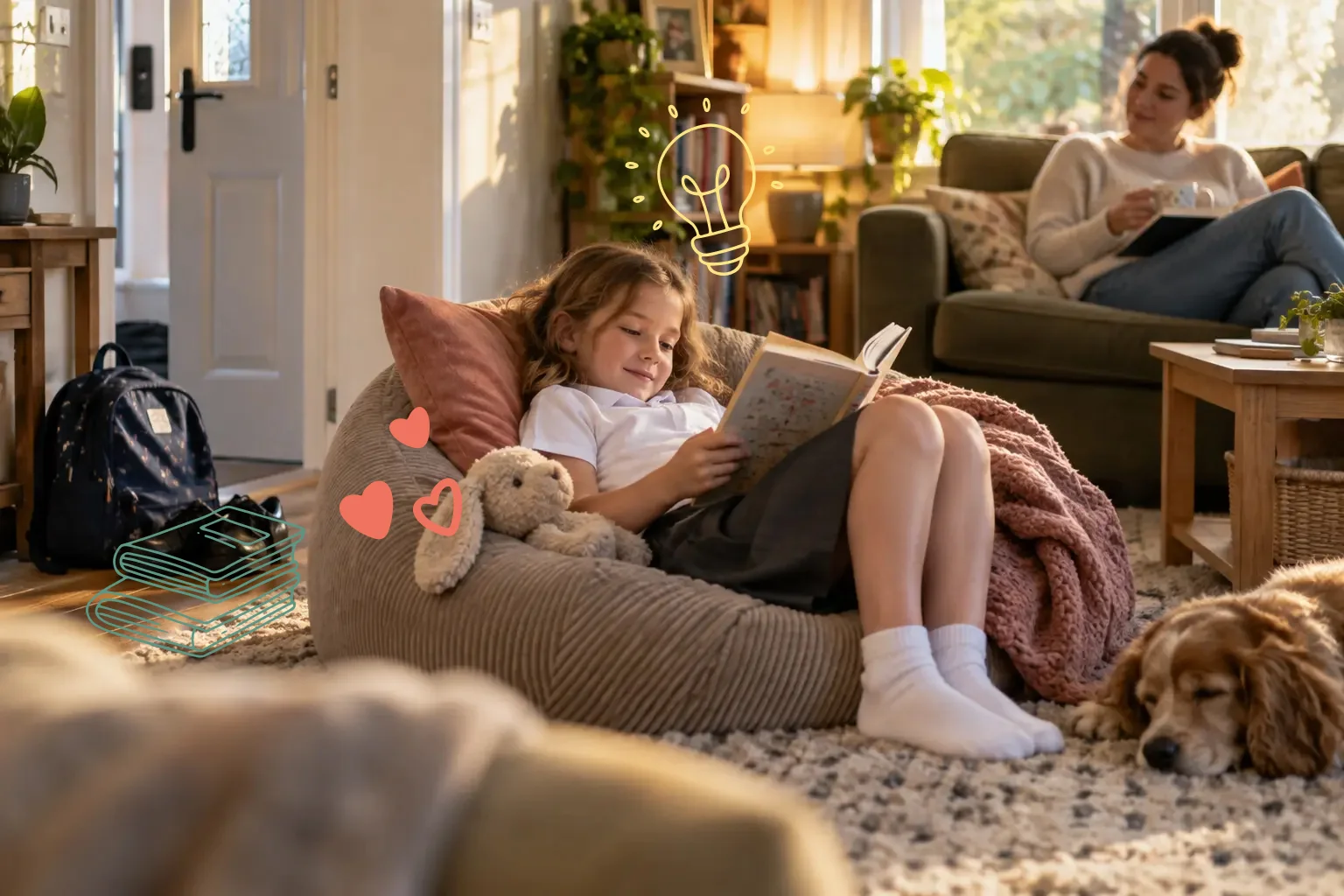
After school can be a strange part of the day. A child who has managed lessons, noise, instructions and other people’s expectations may arrive home with very little capacity left for another question.
We have found it helps to think of this as a transition rather than an empty hour to fill. Food, fewer demands and a little breathing space come first. These four tools can support that pause, but none needs to be imposed if a child would rather be left quietly alone.
1. Turn down some of the background noise
A busy journey home, siblings talking and kitchen noise can all add to a day that already feels full. Some children may welcome a quieter few minutes before conversation begins.
Loop Engage Kids 2 reduces background noise without shutting the world out completely. The fit will not suit every child, so it is worth introducing them at a neutral time rather than when they are already overwhelmed.
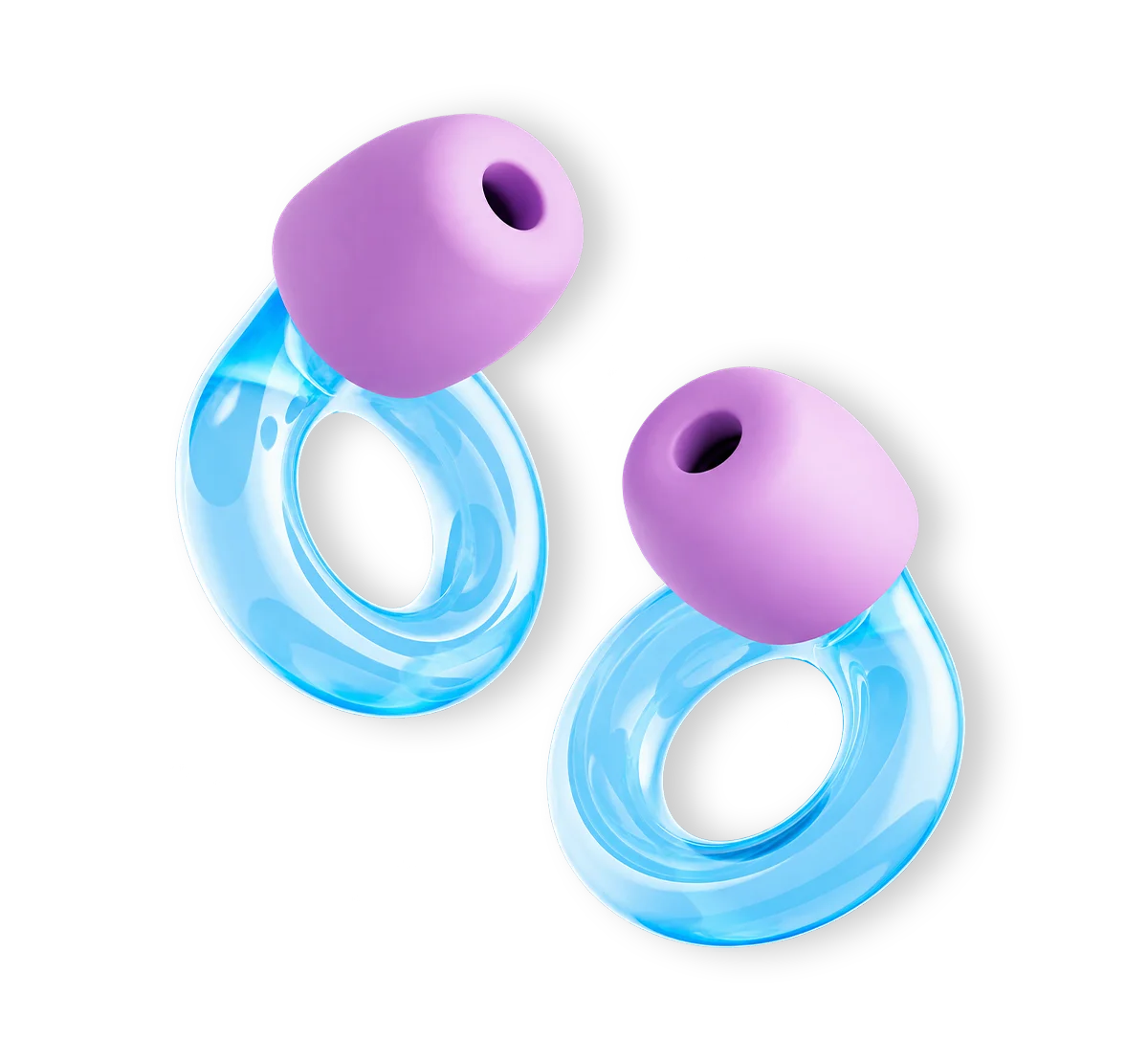
Useful when a child wants the volume lowered while remaining connected to what is happening around them.
View on Amazon2. Offer a familiar story instead of another screen
A familiar voice or story can provide something predictable to follow without asking a child to answer questions or make decisions. It can work during a snack, on the sofa or while they potter nearby.
The Yoto Mini is portable and screen-free. We like that a child can choose a familiar card independently, although listening should remain an invitation rather than another item on the routine.
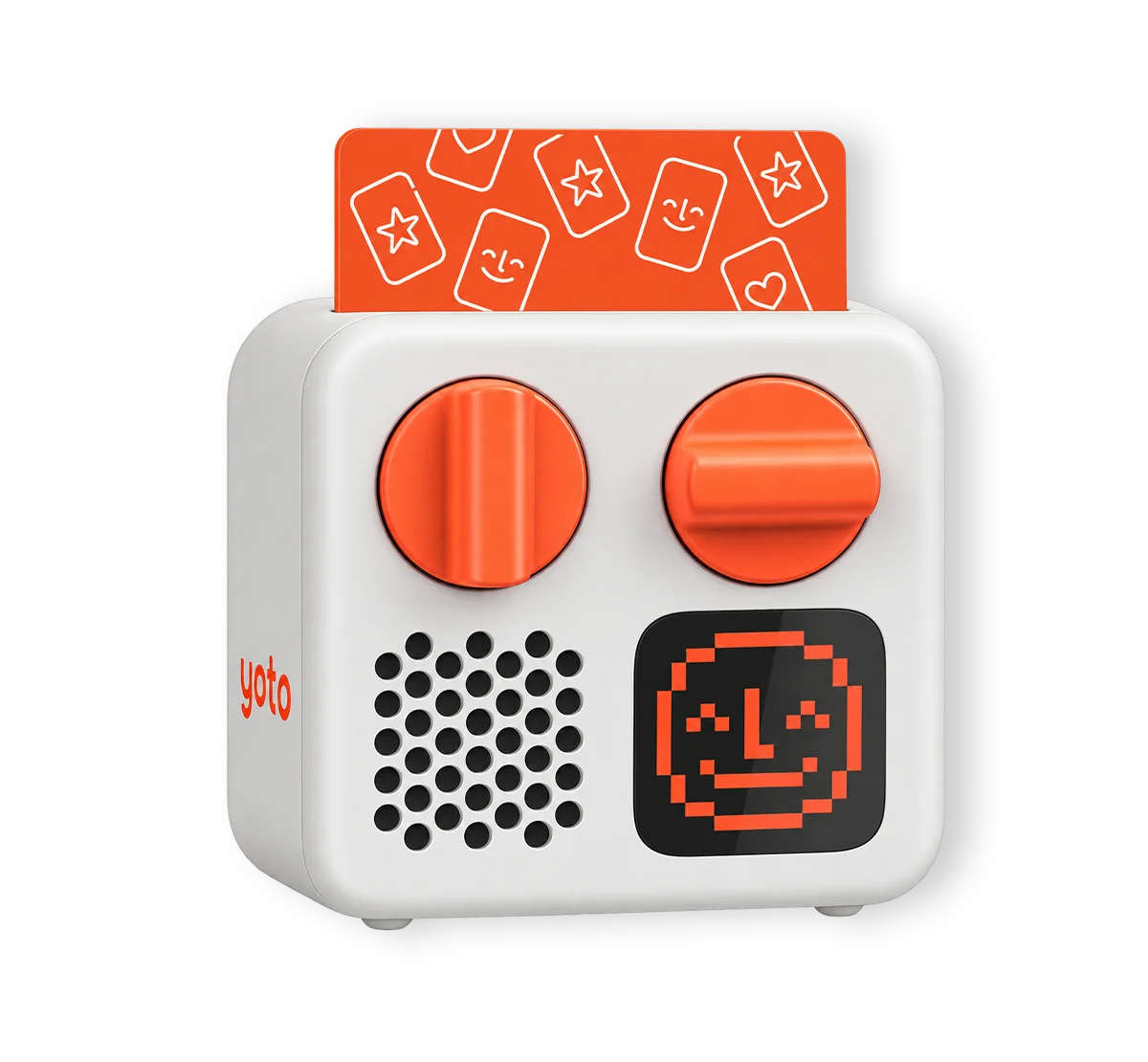
A portable screen-free player for stories, music and familiar audio during the transition home.
View on Amazon3. Make slow breathing easier to understand
Telling a child to “take a deep breath” can be too abstract in the moment. A physical prompt may make the rhythm easier to follow when they are receptive to it.
Moonbuddy guides the hands through a slow breathing movement. It is compact and quiet, but it is best explored when a child is calm so it feels familiar later.
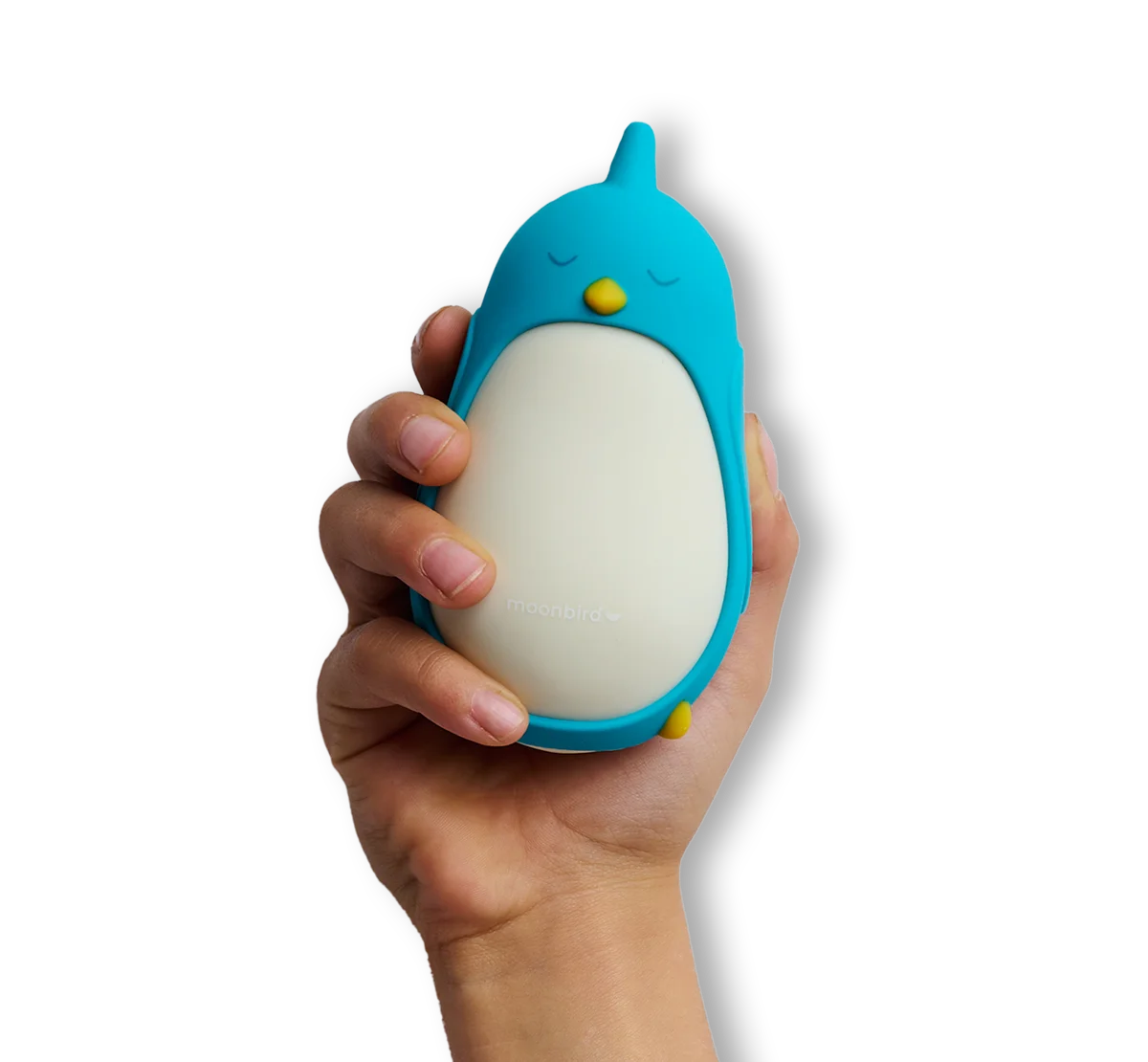
A small handheld tool that turns a breathing rhythm into a movement a child can feel.
View on Amazon4. Let the body move while the mind settles
Rest does not have to mean complete stillness. Gentle rocking or shifting can be a more comfortable way for some children to come down from the school day.
A wobble cushion can be used on a chair or on the floor. It gives movement somewhere to go without turning the whole room into an activity session.
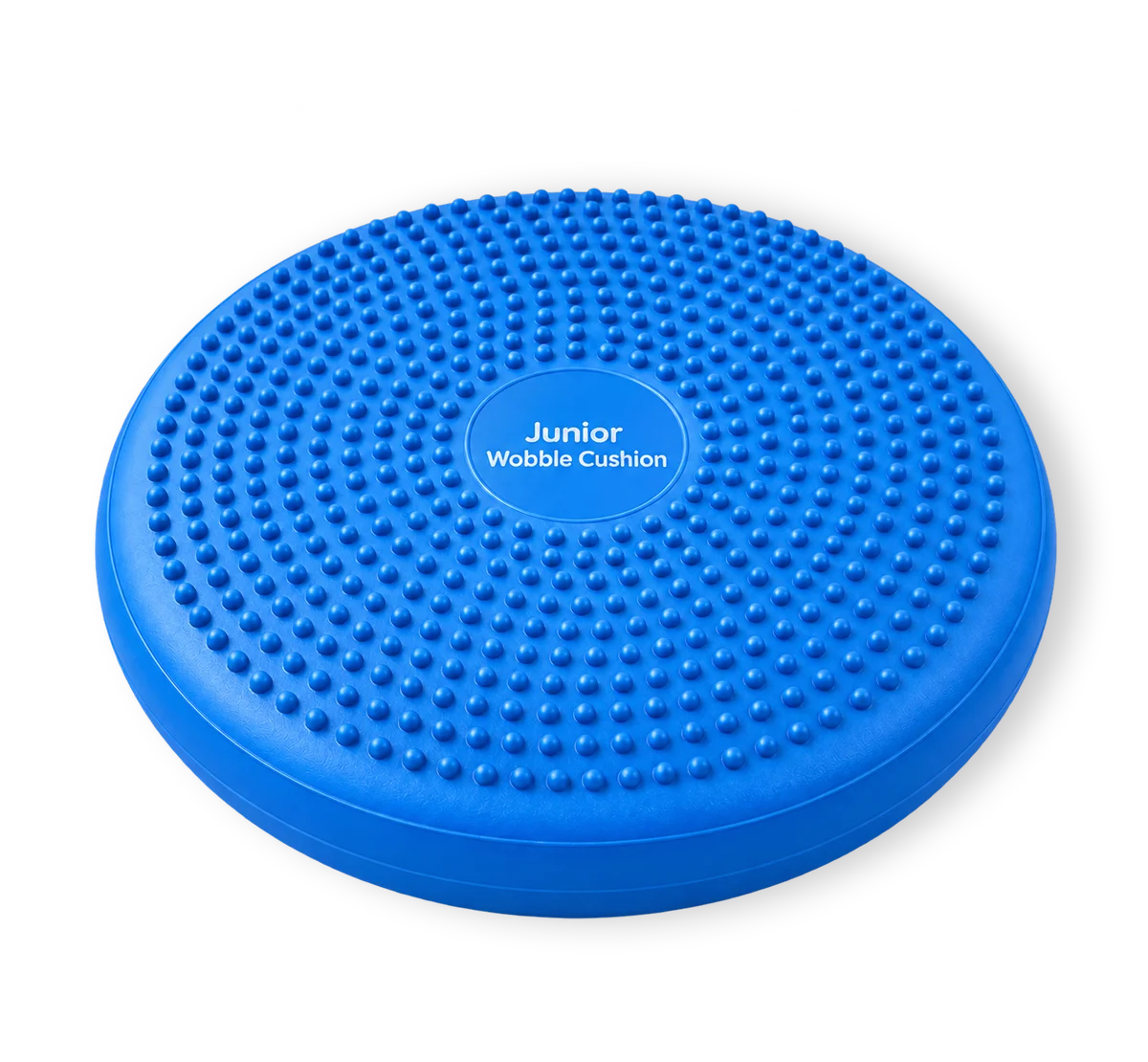
A textured cushion that allows small movements while a child eats, reads or simply sits nearby.
View on AmazonThe first job after school is not productivity. It is helping home feel like somewhere the pressure can drop.
Keep it flexible
No single after-school routine will work every day. Sometimes our child wants company; sometimes he needs less talking and more space.
The useful part is having a few low-pressure options ready. The product is never the reset by itself. It simply makes quiet, familiarity, breathing or movement easier to offer.
Looking for something else?
Browse all of our parent-led product recommendations for routines, focus, calm, movement and sleep.
Browse all recommended productsThis is parent-led general information rather than medical advice, and every child is different. This article contains affiliate links. If you buy something through one of these links, we may receive a small commission at no extra cost to you. Read our affiliate disclosure.